
November 3, 2026
Noisy garage door? Common causes and how to quiet it
Squeaks, grinding, rattling or banging from your garage door each point to a different cause. Here is how to diagnose the noise and quiet it down safely.
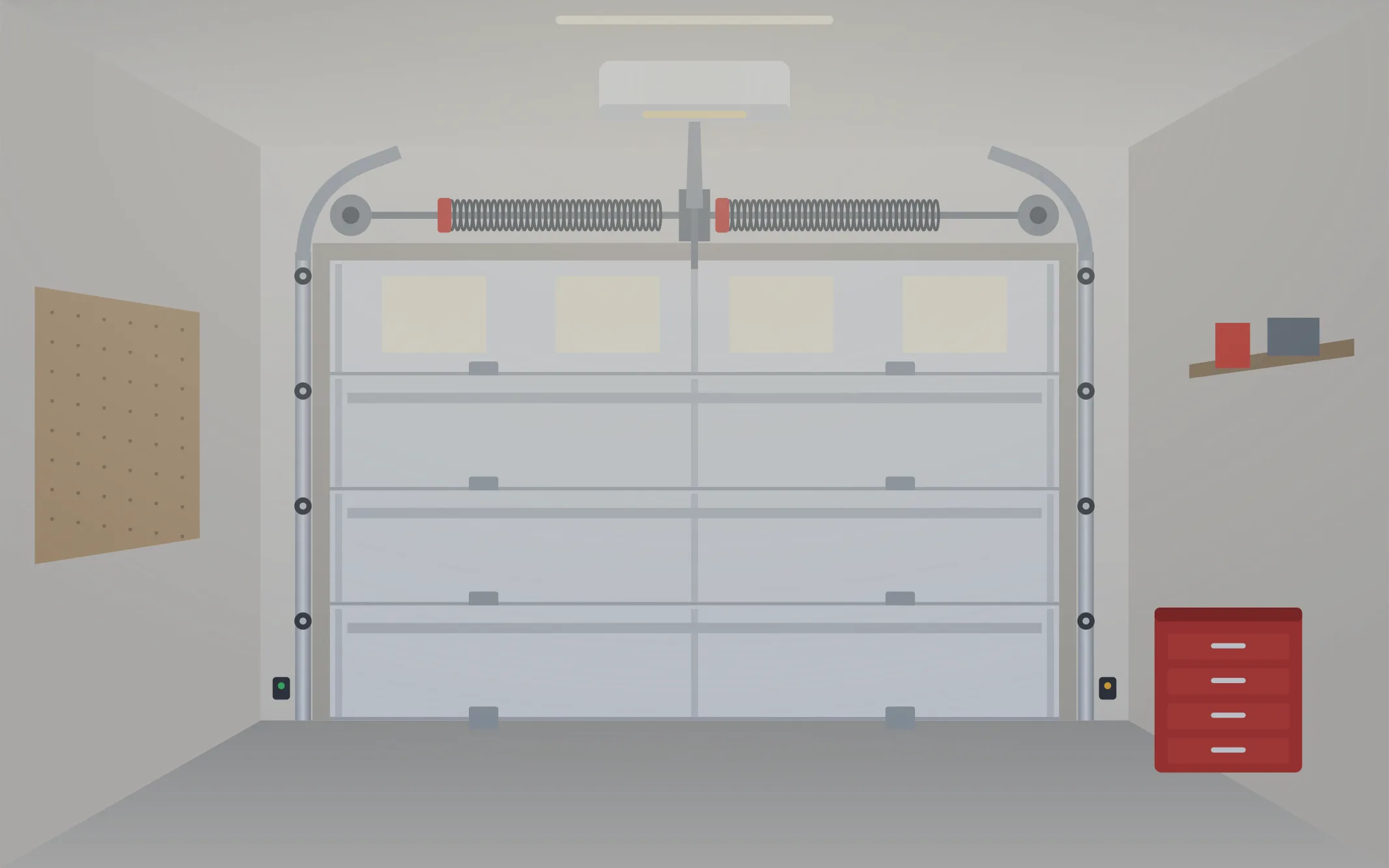
A garage door that squeals, rattles or grinds is more than an annoyance, especially if there is a bedroom above or next to the garage. Noise is often the first sign that a part needs attention. The type of sound usually tells you where to look, and many fixes are simple.
What the noise is telling you
Squeaking or squealing
Squeaks usually come from dry metal parts rubbing together: hinges, roller stems, bearings and springs. Cold weather makes it worse because grease stiffens and metal contracts. This is often the easiest noise to fix with the right lubricant.
Grinding or scraping
Grinding usually points to worn rollers, a bent track, or rollers rubbing against debris. It can also come from an opener with a worn gear or a chain that needs adjustment.
Rattling
Rattling usually means something is loose: track bolts, hinge screws, or a chain with too much slack. Thousands of open and close cycles, along with freeze and thaw seasons, slowly loosen hardware.
Popping or banging
A loud pop or bang can mean a spring is binding, a cable is slipping, or a panel is flexing. A single very loud bang, followed by the door feeling heavy, often means a spring broke. Do not use the door if you hear this. Springs are under high tension, and a broken one needs a technician. See our spring repair page for more on what to expect.
Humming or straining from the opener
If the opener hums or strains, the door may be out of balance, the track may be binding, or the opener may be wearing out.
Safe fixes you can do yourself
These steps are safe for most homeowners and take less than an hour. Unplug the opener first and keep the door closed while you work.
Lubricate the moving parts
- Use a garage door lubricant or white lithium spray. Avoid general-purpose penetrating oil, which can attract dirt and does not last.
- Apply a small amount to hinge pivot points, roller stems and bearings, and the bearing plates at each end of the spring shaft.
- Lightly coat the springs with a spray lubricant from a distance. Do not touch or adjust them.
- Do not grease the inside of the tracks. Rollers should roll, not slide, and grease in the track collects grit.
- Open and close the door a few times to work the lubricant in.
Tighten loose hardware
Use a socket wrench to snug up the bolts on track brackets and hinges. Do not overtighten, and do not loosen any bolt on the bottom brackets where the cables attach. Those are under tension.
Clean the tracks
Wipe dirt, cobwebs and grit from the inside of the tracks with a damp cloth. Check for dents, but do not try to hammer a bent track straight yourself.
Check the opener chain
On a chain-drive opener, a chain that slaps the rail can often be quieted by adjusting tension per the manual. Too tight is as bad as too loose.
Fixes that usually need a technician
Some noise sources are worth handing off:
- Worn rollers. Basic steel rollers get loud as their bearings wear. Upgrading to nylon rollers with sealed bearings is one of the most effective ways to quiet a door. A roller set typically costs $150-$300 installed. Replacing the bottom rollers involves the cable brackets, which is why we recommend having a technician do it.
- Bent track or misalignment. Realigning track takes care to avoid knocking the door off track.
- Door out of balance. A door that is not balanced makes the opener work harder and louder. Balancing means adjusting spring tension, which should only be done by a trained technician.
- Opener wear. If the opener is loud no matter what, a belt-drive or wall-mount opener runs much quieter than an older chain drive. Our opener installation page explains the options.
How to keep a garage door quiet
- Lubricate moving parts two or three times a year, and again before winter
- Tighten hardware once or twice a year
- Replace worn rollers before they crack
- Keep the door balanced with an annual inspection
- Replace a worn bottom seal so the door closes softly
A professional tune-up typically runs $100-$180 and covers lubrication, hardware, balance, rollers, cables and opener safety checks. Learn more about our garage door maintenance services.
When to call a pro
If the noise is a loud bang, a grinding sound that keeps getting worse, or comes with the door moving unevenly, stop using the door and call for service. The same goes for any noise from the springs or cables that does not go away after lubrication. Doors in Motion has been quieting doors across the northern Illinois suburbs since 1969. Book online and we will track down the source of the noise and fix it right.